
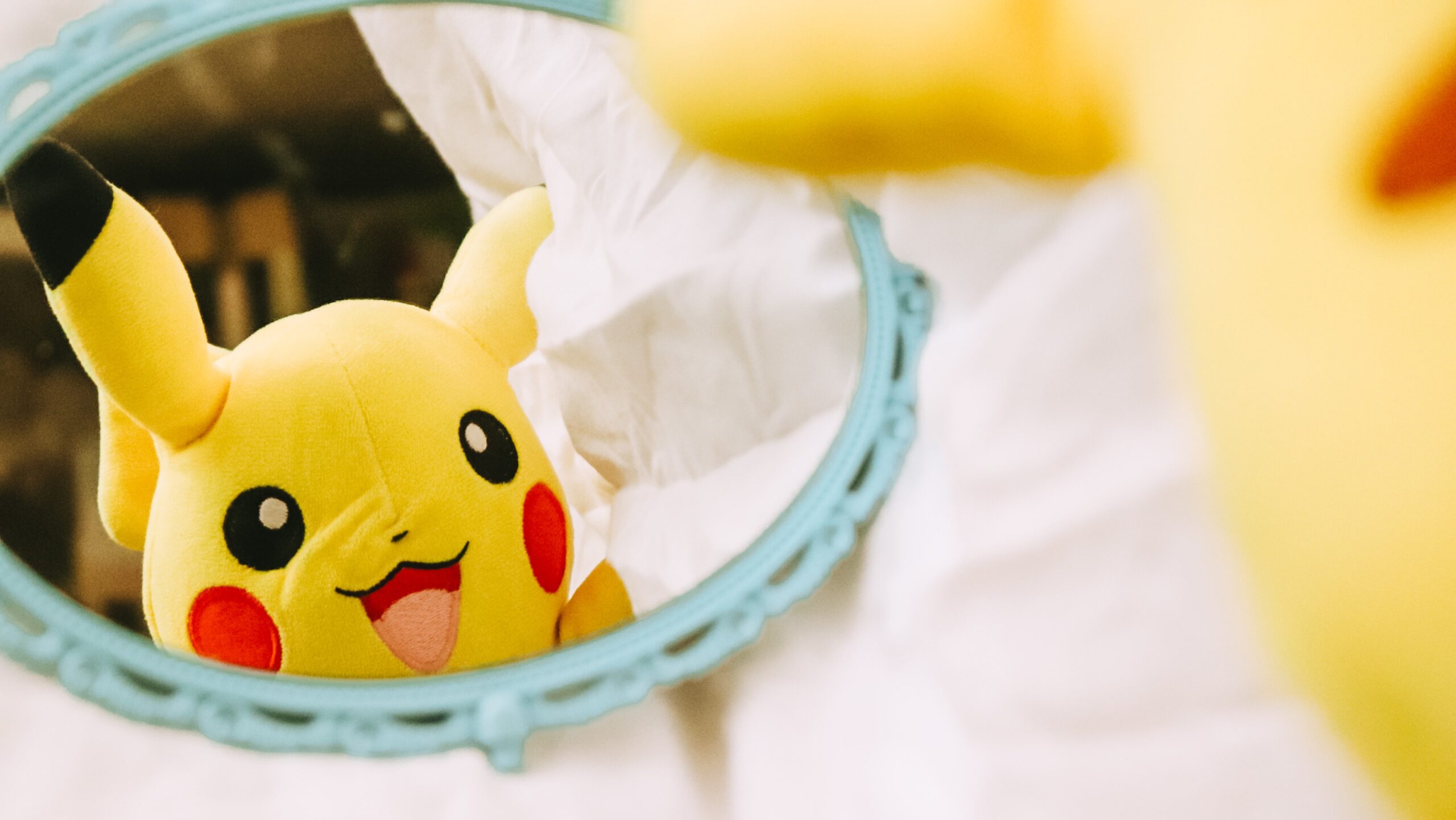
The rise of Meng culture in China is linked to a shift in social psychology. As young people face more pressure in everyday life, they are seeking out and drawn to products that can comfort them. Marketing campaigns with cute characters are not just targeting children but also young adults for nostalgic purposes. By leveraging the “Meng” (萌, cute) culture, this concept has evolved into a new business model for companies. Various brands have successively designed cute products, narratives, and even mascots to capture consumers’ attention and better communicate with them.
Download our report on the She Economy in China
The adorable imagery and designs often create a relaxing and enjoyable consumer experience, allowing customers to find peace in their busy and stressful lives. Compared to the West, cute and cartoonish designs are only seen associated with children. Western consumers are less likely to see these products as emotional support. Factors such as nostalgia and growing demand for emotional comfort amid rising societal pressure are also the root of virality for the Meng culture in China. This then influences other elements that draw certain consumers, which are social media posts, collectible culture, and community. Cute culture has been widely adopted across multiple industries, such as food, clothing, toys, and electronics.
Why Chinese audience adore cute characters
“Meng” has a broad definition for cute in Chinese. In Asia, “Meng” is a very important feature, and there are many animals that are considered “Meng” by default, such as cats, dogs, and rabbits. Since cute characters can increase consumer engagement and affinity with the brand, many companies have chosen adorable cartoon animals as their mascots.
Bestselling local IPs – Shanghai Disneyland’s Linabell and Pop Mart
One successful brand mascot in China is Linabell, a little fox doll officially launched and put on sale by Shanghai Disneyland on September 29, 2021, along with the Duffy & Friends Christmas series. On December 29, at 3 a.m., there were about 5,800 people queuing up outside Shanghai Disneyland to have the chance to get hold of Linabell merchandise. Since then, Linabell has become a popular icon due to its cute, enthusiastic, and heartwarming image, which helped Chinese young people through their toughest days during lockdowns.
The consumption of cute cartoon mascots has been described as “emotional consumption” in Chinese media outlets, as consumers seek more affordable luxuries in the current economy. Linabell is Disney’s most popular character in China, attracting as many fans as Mickey Mouse and Disney’s princesses.

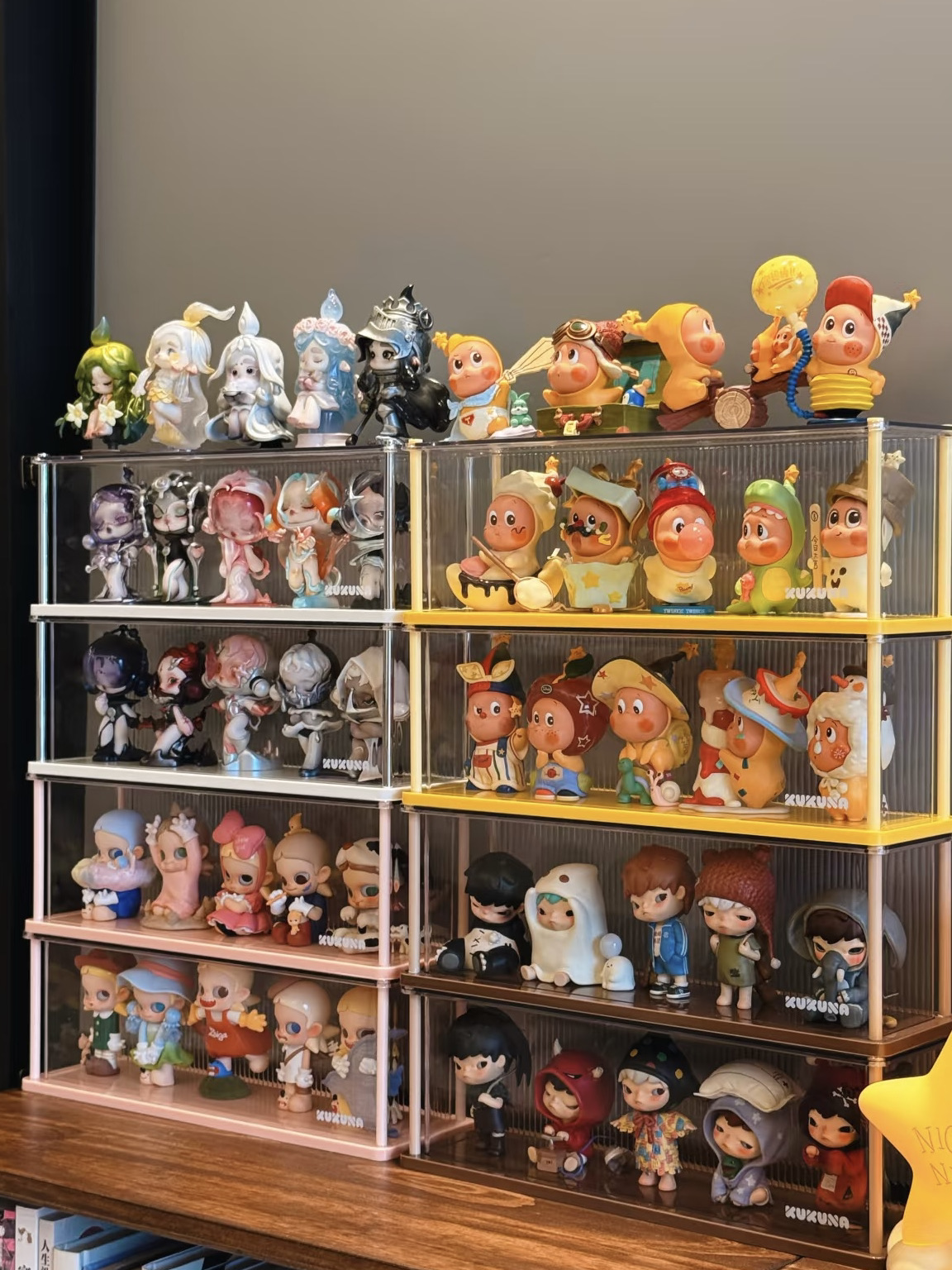
Another brand that is benefitting immensely from Meng culture is Pop Mart, a collectible toy store. Labubu is designed by Netherlands-based artist Kasing Lung, and it is Pop Mart’s bestselling IP globally. In 2024, The Monsters IP, which includes Labubu, generated RMB 3 billion (USD 414 million) in revenue, a year-on-year growth of 726.6%. These toys come in blind boxes, and exactly which toy a consumer will receive remains a mystery. This format creates online communities, such as unboxing videos, as creators and viewers share the excitement of discovering what they find. This element of surprise and collecting these figures introduces magic and joy into daily lives and allows communities to share, trade, and display them with others.
Bestselling foreign IP – Jellycat
Since entering the Chinese market in 2013, Jellycat has been mainly marketed as a baby brand. Sales growth was slow in the early years, even after launching its Tmall International Flagship Store in 2015. After recognizing this, in 2018, the brand repositioned its products and shifted its target audience toward women aged 25 and older. This pivot and extremely successful, as consumers began to embrace the Jellycat stuffed animals. Nowadays, they are not just for children but as personal “emotional companions.” The brand’s popularity surged online as Chinese consumers view its products as a source of comfort in a stressful society where mental health awareness is growing. The hashtag #Jellycat新品 (Jellycat’s new products) on Xiaohongshu has over 347.6 million views and over 2.6 million notes as of August 2025.

Luxury brands tapping into the Meng culture in China
The luxury industry has been expanding into the Chinese millennial and Gen Z market over the past few years, and Meng culture has been a key driver of success in China’s retail world. Despite the growing collaboration between luxury brands and cute characters, it’s obvious that these collections are only targeting Chinese consumers. In the West, cute and cartoonish designs are only meant for children and not adults who purchase luxury products. Meng culture in China usually appears harmless and pretty. This went against the typical ideal portrayed in Western luxury, which promotes maturity, elegance, and seduction.
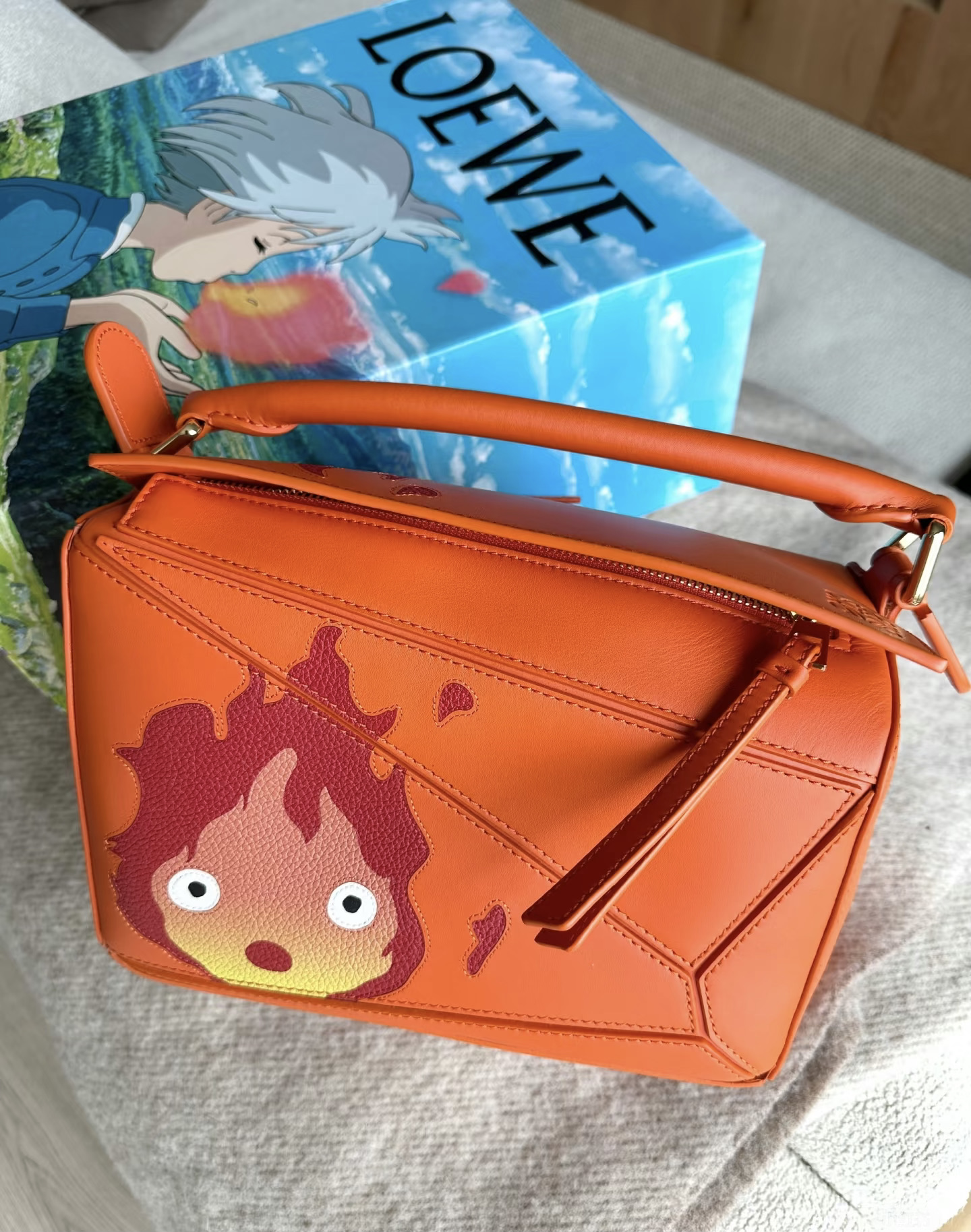
One brand that is able to incorporate craftsmanship along with cute elements in its products is Loewe. Instead of following traditional luxury fashion brands that tend to cater to consumers who value exclusivity and timelessness, Loewe markets to individuals who buy pieces reflecting their own style and status. In 2023, Loewe collaborated with Studio Ghibli on many popular movies. IPs such as “Howl’s Moving Castle”, “Spirited Away”, and “My Neighbor Totoro” are applied to their iconic bags. This collection of products allowed the brand to tap into a new market segment. For instance, younger consumers who are interested in luxury fashion or anime lovers.
How brands are bringing the Meng economy online
In order to attract tech-savvy young Chinese consumers, many companies have expanded online and tapped into the “Meng” economy, with both domestic and foreign brands entering the metaverse since 2020, also integrating offline AR experiences that connect with digital engagement.
AR interactive technology in offline stores
Augmented Reality (AR) is a technology enabling users to overlay computer-generated information onto what they are watching in the real world, sometimes involving different sensory perceptions.
Several B2C brands are beginning to install AR technologies to provide customers with a more immersive and interactive experience. AR allows consumers to have a multi-sensory experience of the brand, thus increasing a stronger emotional connection between the brand and the consumer. The fields of application of the AR technology go beyond virtual fitting and make-up trials. Burberry has also made some new attempts in shopping malls in some of China’s most important cities. This is an effort to bring a different experience to Chinese consumers who have re-entered the boutique after the pandemic. For example, in June 2020, the brand opened a pop-up store with the theme “Burberry Animal Kingdom” in Shanghai International Trade IAPM Mall, IFC Mall of IFC Center, Nanjing Deji Square, and Shenyang MixC City. Visitors could use AR technology to interact with animals through their mobile phones.

Future of the Meng culture: Challenges and potential
Although Meng culture has experienced success in the Chinese market, challenges like market saturation, competition, and consumer preferences are all important to consider. As more brands are joining the cute economy, it could lead to consumers’ aesthetic fatigue. This may lead to a decline in the appeal of cute mascots and figurines. Brands will have to put more time and effort into marketing, innovation, and design as there are struggles with brand differentiation. The future of Meng culture is uncertain, as it depends on social and cultural developments, advances in consumer technology and trends.
How brands are tapping into the Meng culture
- Meng (cute) culture is not just targeted towards children but also young adults for nostalgic purposes.
- The rise of Meng culture in China is linked to a shift in social psychology. This was due to young people facing pressure in their everyday lives and constantly looking for relief and comfort.
- Brands like Pop Mart and Jellycat’s main consumer base are young adults and millennials as their products offer emotional support.
- Luxury brands have started to incorporate Meng into their products, such as Loewe’s collaboration with Studio Ghibli movies.
- New online channels give new ways for brands to integrate the “Meng economy” into their digital marketing and communication strategy.